🌱 Lawn Help

How to Get Rid of Crabgrass

Crabgrass is a weed that can take over your yard. Here is an easy plan to stop it and keep your grass green.

First, know your enemy

What crabgrass is

Crabgrass is a weed that grows low and spreads out wide, kind of like a crab’s legs. It pops up in spring when the soil starts to warm up. The plant only lives for one year and dies when it gets cold. But before it dies, one plant can drop thousands of seeds. Those seeds wait in the dirt and grow the next spring, so the problem comes back again and again.

Best plan

Stop it before it starts

The smartest way to beat crabgrass is to stop the seeds from ever growing. You do this with a product called a pre-emergent. It makes a shield in the soil that keeps seeds from sprouting. Spread it in early spring, before the ground warms past about 65 degrees. Timing matters a lot. Put it down too late and the seeds will already be growing.

If it shows up

Pull it or spray it while young

If a few crabgrass plants slip through, act fast while they are small. Pulling works great after rain, when the dirt is soft. Grab low and pull slowly to get the whole root. If you see seed heads that spread out like a fork, leave the plant alone, because pulling it would just scatter more seeds. For young plants, you can also use a post-emergent spray made to kill weeds without hurting your grass.

Keep it gone

Grow a thick, strong lawn

The best weed fighter is healthy grass. When your lawn is thick, crabgrass has no open space and no sunlight to grow. Mow your grass a little tall so it shades the soil, and water it well. Fill in any bare or thin spots with new grass seed in the fall. Feed the lawn through the year too. A full, happy lawn crowds crabgrass out all on its own.

🌿 Quick Reminders

Spread pre-emergent in early spring, before the ground warms up.
Pull young weeds after rain, but skip ones with forked seed heads.
Mow a bit tall and water deeply to keep grass strong.
Fill bare spots with seed in the fall so weeds can’t move in.

Made simple for easy reading 🌞

Give Your Lawn a Fresh Start in May 🌱

z z z

Your lawn goes through a lot during winter. In many places, the cold drops below freezing. Most plants would die in weather like that, but grass is tough. When it gets cold, grass goes to sleep. This is called going dormant. The grass stops growing and saves its energy until spring. When May comes around, there is one job that helps your grass grow strong all summer. It is called scarifying. That means raking or cutting into the soil to pull out the dead grass and junk that built up over the winter. (This dead layer is called thatch.)

You do not need fancy stuff to scarify your lawn. The easiest tool is a machine called a scarifier. It looks like a push mower, but it has spinning blades that dig into the lawn and loosen the dead thatch. You can rent one or buy one. If you want to save money, a regular garden rake works too. Just know that raking by hand is hard work — it will give your arms a real workout!

MAY ✓

May is the perfect time to do this. After sleeping all winter, your grass wakes up and starts growing fast. By May, the soil is warm enough for the roots to grow. But if your lawn is packed with dead grass and thatch, the new grass cannot get the air, water, and food it needs. Scarifying clears all of that away so your grass can grow its best. It also helps your grass fight off weeds like dandelions, which try to take over in spring. One tip: pull the tough weeds out first, or the machine might chop them up and spread them around.

A few simple rules will help you do it right. First, check the weather. The best day is when the soil is a little damp but the grass blades are dry. If the ground is too dry, the blades may rip out good grass. If it is too wet, you will just make mud. Mow your lawn shorter than usual a day or two before you start. When you scarify, do not dig deeper than half an inch, or you could hurt the roots. If you use a rake, pick one with wide teeth and comb gently. When you finish, rake up all the loose junk so your lawn can breathe.

Time To Excavate?

Spring is an ideal time to begin excavating projects. The ground softens as frost leaves the soil. Crews can move earth more easily during this season. Property owners often plan improvements as warmer weather returns. Careful excavation prepares land for safe construction and lasting results. Contractors survey the site and mark clear boundaries before work begins. They remove debris, roots, and unstable soil to create a firm base. Strong preparation reduces future repairs and protects the value of the property.

Foundation excavation ranks among the most common spring projects. Builders dig and shape the soil to support homes, garages, and additions. They measure depth and width with care. Proper grading directs water away from the structure and helps prevent flooding. Driveway and patio preparation also require precise excavation. Crews compact the base to prevent cracking and sinking. A solid foundation supports asphalt, concrete, or stone for many years. Good planning during spring weather allows steady progress and reliable results.

Land grading and drainage improvements often take place in the spring. Contractors reshape the ground to create smooth slopes and even surfaces. These slopes guide water away from buildings and lawns. Workers also dig trenches for utility lines and drainage systems. They follow clear safety rules at every stage. Proper trench depth protects pipes and cables from damage. Retaining wall preparation begins with firm excavation and level ground. A stable base prevents shifting and helps the wall remain strong over time.

Spring excavation also supports large projects such as pool installation and site development. Crews remove soil with precision and check measurements often. Accurate digging helps prevent settling and uneven surfaces. Safety remains a top priority on every job site. Contractors inspect equipment and maintain clear communication among workers. Professional oversight ensures that each project meets local codes and standards. When excavation is completed with care, future construction moves forward with confidence and lasting strength.

Spring brings new growth and new work for many property owners. Land grading in the spring helps prepare your yard for the months ahead. It shapes the ground so water flows away from your home. It also creates a smooth and level surface for lawns and gardens.

Winter often leaves soil uneven and compacted. Snow and ice can shift soil and create low spots. Heavy rain can wash soil into unwanted areas. Spring grading corrects these problems before they get worse.

Proper grading protects your home from water damage. Water should move away from your foundation at all times. When soil slopes toward a house, water can collect near the walls. This can lead to cracks, leaks, and costly repairs.

A grading project begins with a clear plan. Contractors inspect the property and check the current slope. They look for drainage issues and standing water. They also mark areas that need soil added or removed.

Workers use equipment such as skid steers and compactors. They move soil to create the proper slope. They spread fill dirt where the ground sits too low. They remove excess soil from areas that sit too high.

Good grading also improves lawn health. Grass grows best on even, well-drained soil. When water pools in one spot, roots can rot. When soil drains too quickly, grass may dry out.

Spring offers ideal soil conditions for grading work. The ground has thawed, yet it still holds some moisture. This makes soil easier to shape and compact. Crews can form smooth surfaces with less dust and disruption.

After shaping the land, workers compact the soil. Compaction reduces air pockets and increases stability. A stable base supports sod, seed, or other landscaping. It also helps prevent future settling.

Many homeowners choose to combine grading with other spring projects. They may install new lawns, patios, or walkways. Proper grading creates a strong base for these improvements. It ensures that new features remain level over time.

Drainage systems may also be added during grading. French drains and swales guide water safely away. Downspout extensions move roof runoff farther from the home. These features work best when the land has the correct slope.

Safety and planning remain important throughout the process. Crews mark underground utilities before digging. They follow local codes and property lines. They also protect nearby structures and landscaping.

Land grading requires skill and attention to detail. Small changes in slope can make a large difference in drainage. Professionals measure carefully and check their work often. They aim to create a smooth, even finish.

Spring grading prepares your property for summer storms. It reduces erosion and standing water. It supports healthy grass and plants. It also protects your home’s foundation.

A well-graded yard adds both function and value. It looks neat and well cared for. It provides a safe surface for walking and outdoor activities. Most important, it gives you peace of mind during heavy rain.

By addressing grading needs in the spring, you set a strong foundation for the year ahead. Careful planning and proper execution help prevent future problems. With the right approach, your yard can remain stable, attractive, and well drained throughout every season.

Spring is the best time to prepare your yard for summer. Start by cleaning up leaves, sticks, and winter debris. This step helps grass and plants grow evenly. Check the soil for low or wet areas. Fix these spots early to prevent problems later.

Lawn care is important during the spring months. Rake the grass to remove dead material and allow air flow. Add seed to thin areas to promote strong growth. Apply fertilizer to support healthy roots. Water the lawn as needed, but avoid overwatering.

Planting and planning also matter in the spring. Trim shrubs and trees to remove damaged branches. Add mulch to garden beds to keep moisture in the soil. Inspect walkways, fences, and outdoor features for repairs. These steps help your yard stay healthy and ready for summer.

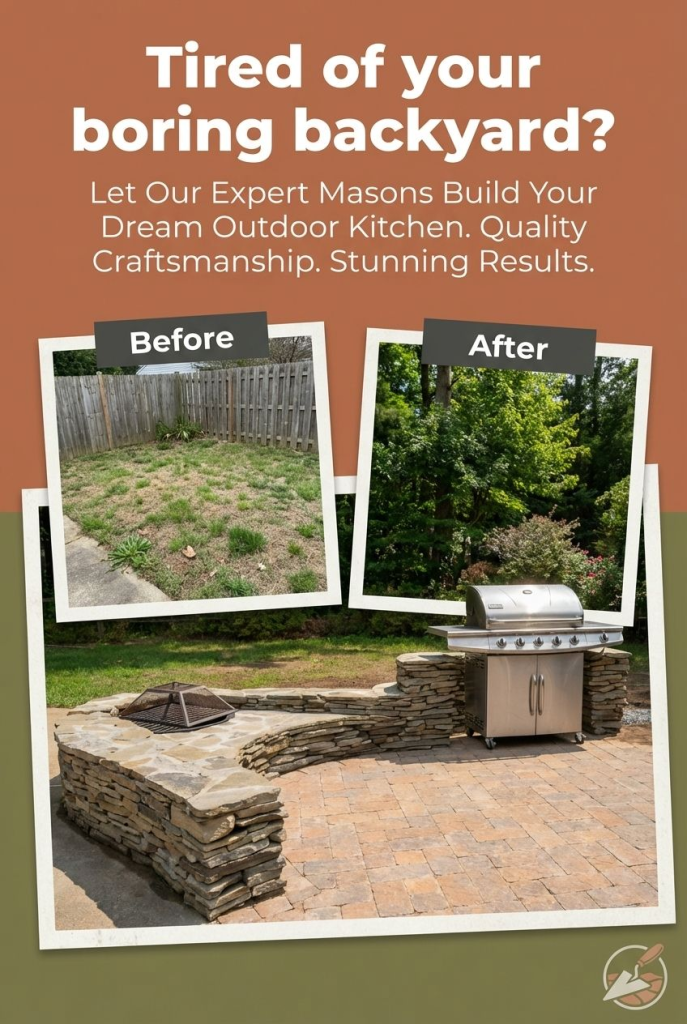
Spring is an ideal time for stone mason projects. Warmer weather allows steady work without extreme heat. Homeowners often plan outdoor upgrades during this season. Walkways, patios, and garden borders are common spring projects. These features improve curb appeal and daily use.

Stone walls are also popular in the spring. Many people repair or replace walls damaged by winter frost. Masonry crews can reset stones and improve drainage. Strong walls help protect soil and landscaping. They also define outdoor spaces with a clean look.

Outdoor living features often begin in spring. Fire pits, seating walls, and stone steps add comfort and value. Early construction allows full use during summer. Crews complete projects before peak season arrives. Spring planning leads to long-lasting results.

Scroll to Top